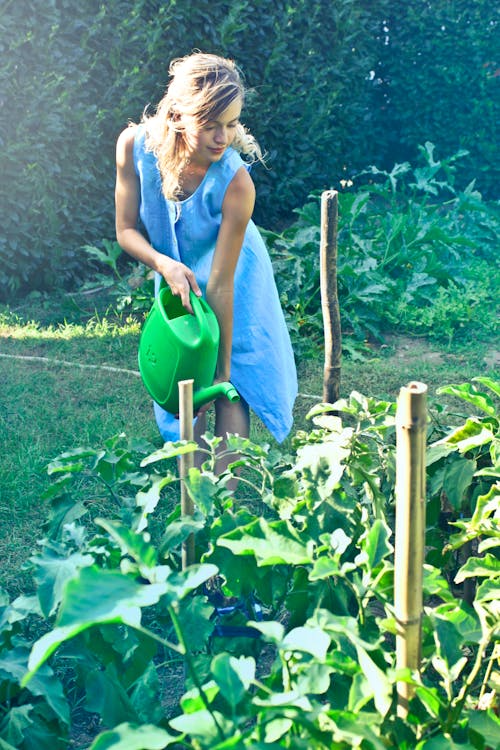
 During World War II, more than twenty million households grew food successfully, many for the first time in their lives. These were not gardeners. They were busy families working long hours with rationed supplies and often very poor soil.
So what was different?
They weren’t given complicated directions. They were given simple rules based on how soil actually works.
Modern gardening often focuses on products. Victory gardening focused on biology.
Never Leave Soil Bare
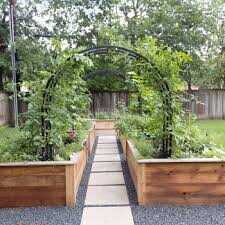
Bare soil is the fastest way to lose a garden in Florida.
Our sun overheats it. Our rain washes nutrients out. Our sand breaks down organic matter quickly. In nature, soil is never exposed. It is always covered by leaves, plants, or plant debris, and older gardeners understood this instinctively.
They pulled weeds and dropped them right back onto the ground. They left trimmings in place. They covered beds with plant material and let it break down naturally. The goal was not neatness — the goal was protection.
If you can see your soil, it is losing fertility. Mulch is not decoration. It is insulation for living ground.
Feed the Soil, Not the Plant
Today we are taught to fertilize plants. Older gardeners focused on feeding the soil itself.
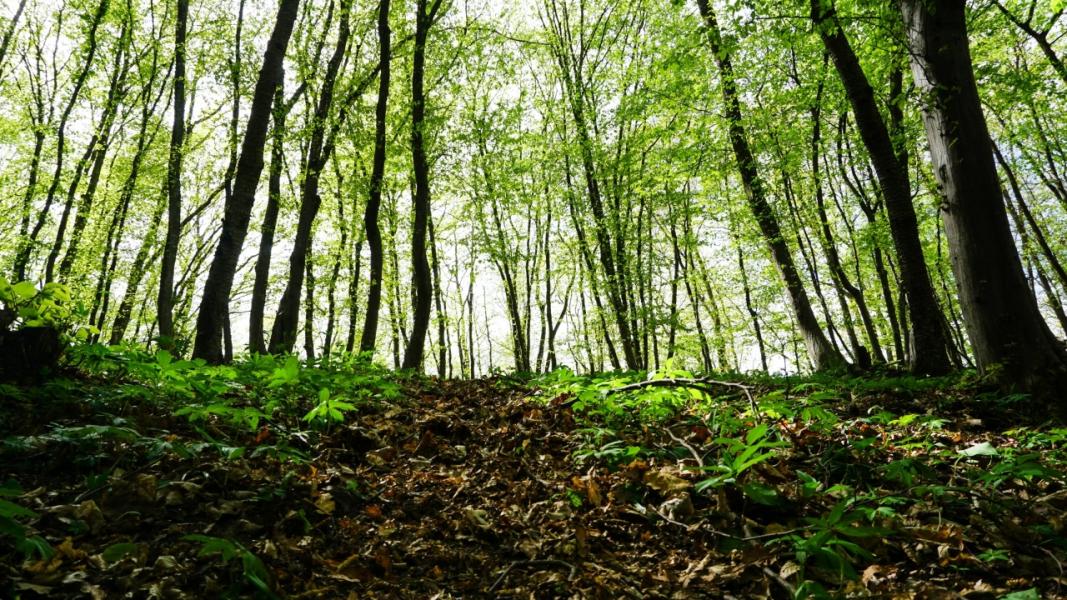
A common practice was mixing small amounts of leaf-rich earth from wooded areas into the garden. They weren’t adding nutrients so much as adding life. Healthy soil contains bacteria, fungi, and microscopic organisms that unlock nutrients, protect roots, regulate moisture, and stabilize growth.
Without that living system, fertilizer washes away quickly — something Florida gardeners experience constantly.
The biggest improvement in a garden rarely comes from adding products. It comes from restoring biology.
Mix Plants Together
Rows exist for farms and machinery, not for plant health.
Many wartime gardens used mixed plantings. Plants shaded each other, supported each other, and confused pests. The well-known Three Sisters method — corn, beans, and squash growing together — worked because each plant played a different role in the system.
This matters even more in Florida, where insects easily find large single plantings.
A garden that looks slightly wild is often far healthier than one that looks perfectly organized. Plants evolved expecting neighbors, not isolation.
Disturb the Soil as Little as Possible
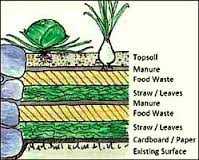
Tilling feels productive, but it breaks the underground structure plants depend on.
Healthy soil contains fungal networks that act like an extension of plant roots. When soil is turned repeatedly, those networks collapse and the ground quickly returns to loose sand. Instead, many gardeners layered organic material on top and allowed worms and microorganisms to incorporate it slowly.
Improving soil from the surface downward works faster and lasts longer than digging deeply — especially in Florida.
Water Activates What Is Already There
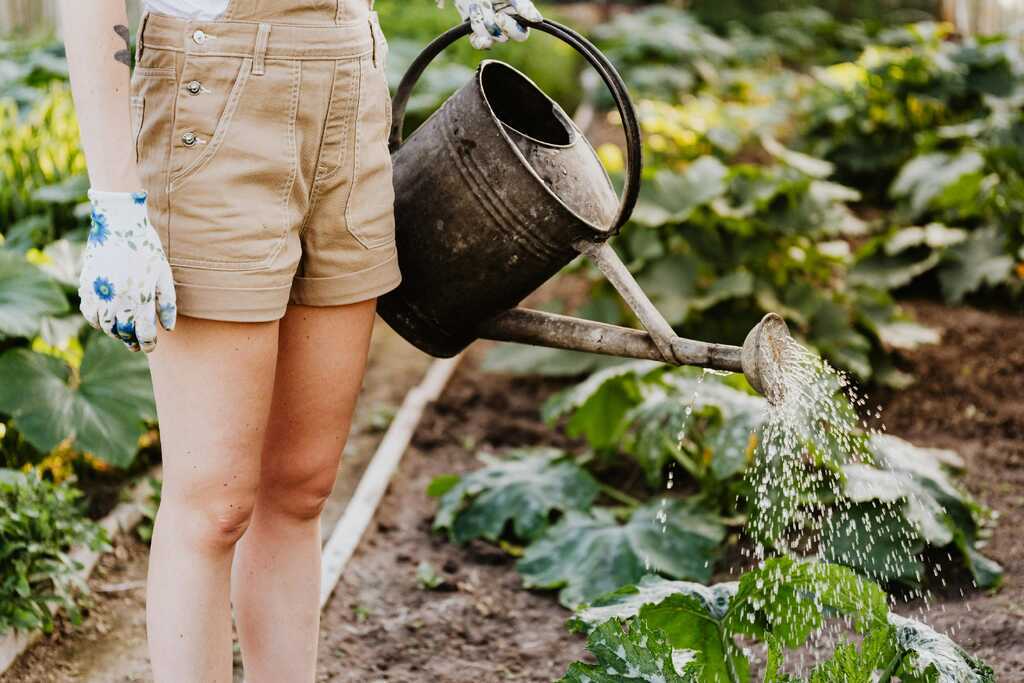
You may hear about compost teas and garden tonics. These can be helpful — but only when the soil has somewhere for that biology to live.
Research consistently shows that in already healthy soil, plain water often produces similar short-term results because it activates the microbes that are already present. In depleted soil, however, plants struggle because the biological system itself is missing.
This is why gardeners sometimes feel products work inconsistently. The real issue isn’t what you spray — it’s whether the soil ecosystem exists yet.
Inputs can introduce or support life, but they cannot replace it. A biological tonic is most useful at the beginning of recovery, when soil has been depleted by drought, construction, or repeated disturbance — its job is to help repopulate the system so normal watering can start working again.
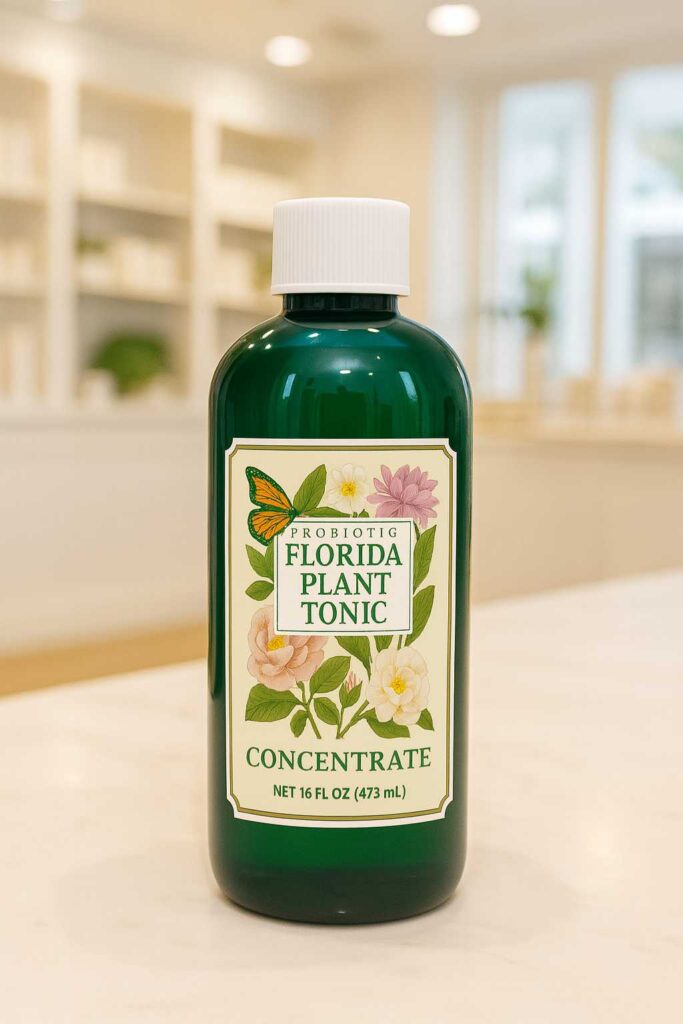
(This is also the purpose behind the probiotic Florida Plant Tonic I make — it isn’t a fertilizer or quick fix, but a way to reintroduce living biology after soil stress.)
Once the soil becomes biologically active, maintenance becomes dramatically simpler.
Why This Still Works
Victory gardeners did not succeed because they worked harder. They succeeded because they worked with natural systems.
Modern gardening often feels complicated because we are trying to manage plants individually. Plants do not grow individually. They grow as part of an ecosystem.
When the soil functions properly, watering becomes easier, pests decrease, plants grow steadily, and the garden stops collapsing every season.
The Takeaway
If your garden failed before, it probably wasn’t you.
You were given plant instructions instead of soil instructions.
Your job is not to control plants. Your job is to build living ground.
Once that happens, gardening stops feeling unpredictable — even in Florida.