
 Last night, after months of severe drought across Florida, the sky finally opened.
For many gardeners, the first instinct this morning is relief.
But after a long drought, the first major rain changes the garden in ways that aren’t always obvious. Soil chemistry shifts, dormant seeds wake up, microbes surge back to life, and stressed plants suddenly begin growing again.
This is one of the most important moments of the season for Florida gardens.
Here’s what to do now.
1. Check Your Soil — Not Just the Surface
After a heavy downpour, the top of the soil may look soaked, but deeper layers may still be dry if the drought has hardened the ground.
Try this simple test:

Push your finger or a trowel 3–4 inches into the soil. If it’s still dry underneath, the rain may not have penetrated deeply.
Drought-hardened soil often repels water at first. It may take several rain events before moisture reaches the root zone.
Adding mulch or compost now will help future rain soak in rather than run off.
2. This Is the Moment Soil Life Reawakens
One of the biggest changes after rain is underground.
During drought, soil microbes slow dramatically. When moisture returns, microbial life explodes almost overnight.
This is why many Florida gardeners suddenly see plants green up within days of rain.
You can accelerate this process by feeding the soil biology.
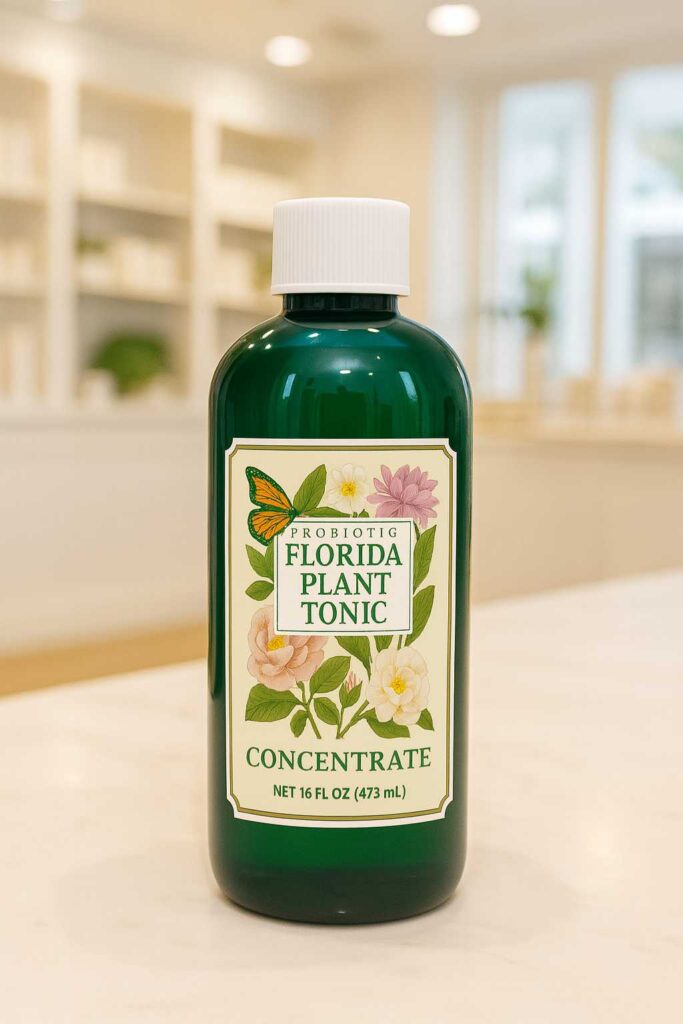
(shameless plug)
If you use microbial products like compost tea, worm casting extract, or a living probiotic soil tonic (like mine, pictured), this is the ideal moment to apply them.
Rain plus microbes equals rapid root recovery.
3. Expect a Weed Explosion
Dormant weed seeds wait patiently for moisture.
After a major rain following drought, thousands of seeds may germinate within days.
The trick is to act early.
Small weeds are easy to pull. Large weeds become a battle.
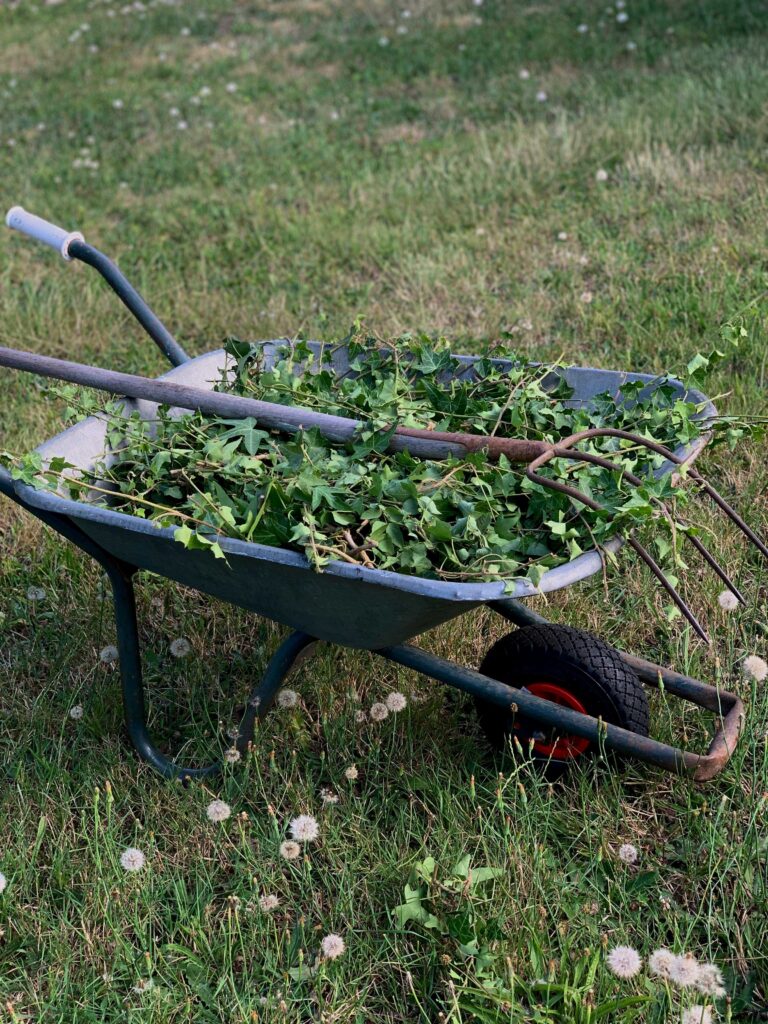
Spend 10 minutes each day walking your garden beds this week. Removing weeds while they are tiny prevents months of frustration later.
4. Watch for Sudden Plant Growth
Plants that have been barely surviving drought may suddenly surge with new leaves.
This is good news — but it also means: Plants may need light feeding. Trellises and supports may need adjustment. Fast growers like tomatoes, cucumbers, and beans may take off quickly.
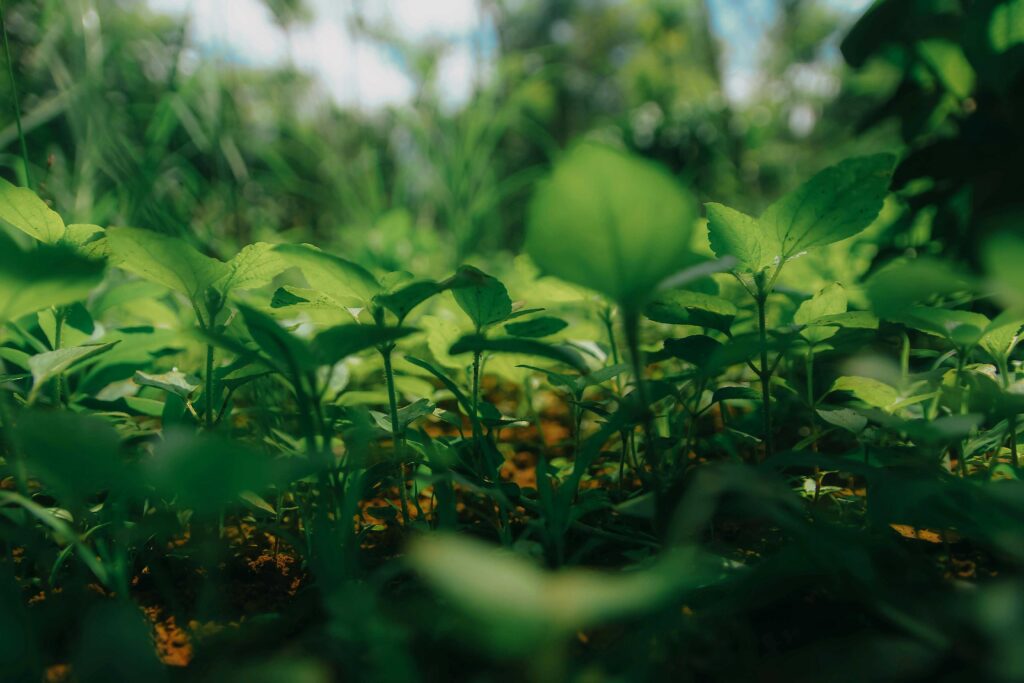
The garden often enters a rapid growth phase after drought-breaking rain.
5. Check Containers and Raised Beds
Container plants react differently to heavy rain.
Look for: waterlogged pots, clogged drainage holes, soil that has compacted or washed away.
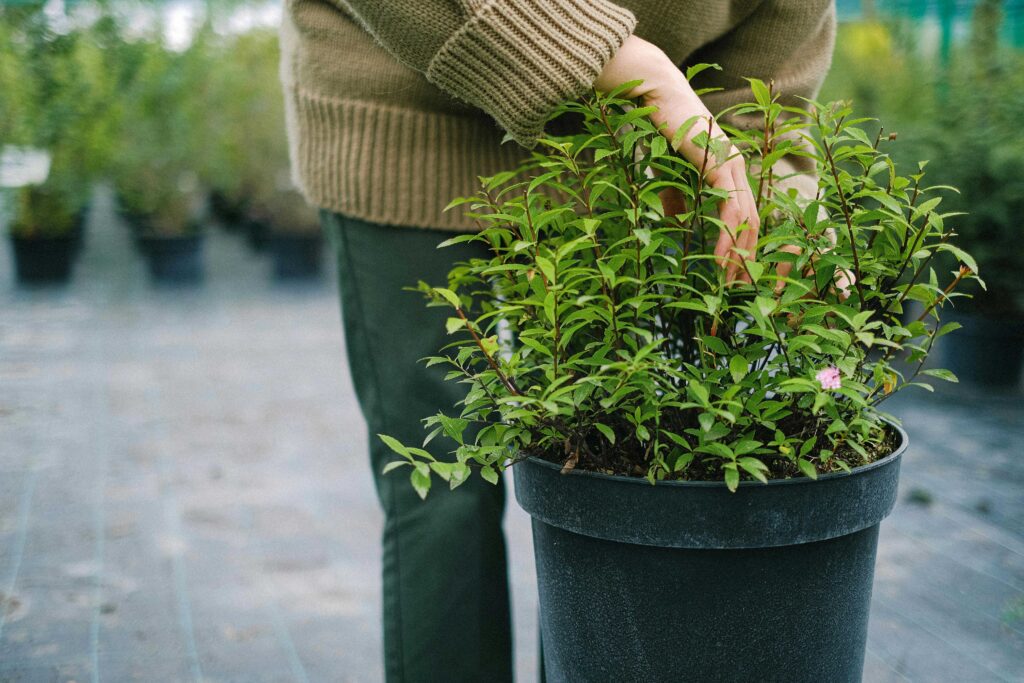
If containers stayed saturated overnight, loosen the soil surface gently to help oxygen reach the roots.
6. Hold Off on Heavy Fertilizing
After drought-breaking rain, plants are sensitive.
Instead of strong fertilizers, focus on: compost, microbial soil feeds and light organic nutrients.
Strong fertilization right after drought stress can shock recovering plants.
A Florida Gardener’s Perspective
Drought followed by sudden rain is part of gardening in Florida.
It’s frustrating, unpredictable, and sometimes dramatic.
But it also reminds us that gardens are incredibly resilient.
Seeds wait. Roots endure. Soil life sleeps until the moment conditions improve.
And when the rain finally returns, the garden wakes up almost overnight.
The next week will be one of the most active growth periods of the season.
Take a few minutes each morning to walk your garden and watch what changes.
You may be surprised how quickly life returns!
Larissa