
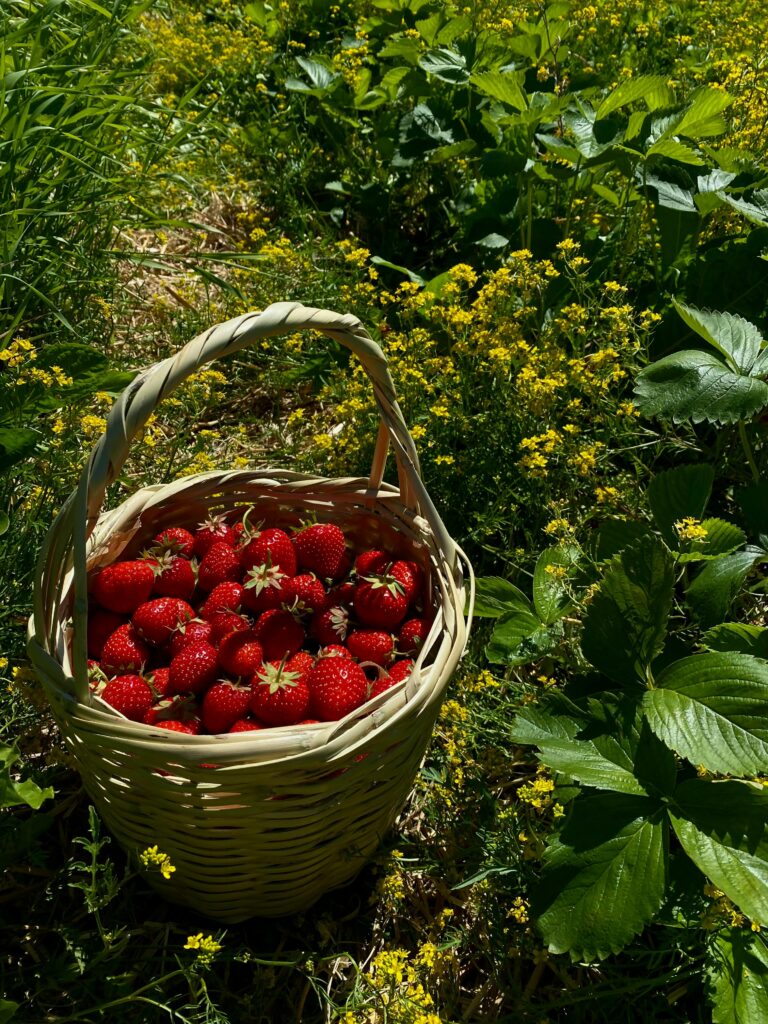
 If you’ve ever driven through Plant City during strawberry season, you know how serious Florida is about its berries. Places like Parkesdale Farm Market and the small roadside stands along Baker Street don’t just sell strawberries — they’re reminders that this crop defines our winter growing season. Those berries didn’t appear overnight. They were planted carefully in fall and tended through cooler months.
The same timing works in your backyard.
Here’s how strawberry season really works in Central Florida — and how to grow your own successfully.
When to Plant Strawberries in Central Florida
In our region, strawberries are typically planted from:
Late September through early November
Commercial farms in Plant City plant in October. That timing allows plants to establish before cooler winter weather sets in.
If you plant in spring, plants struggle. By the time they start producing, Florida heat shuts them down.
Fall planting = winter harvest.
When to Harvest
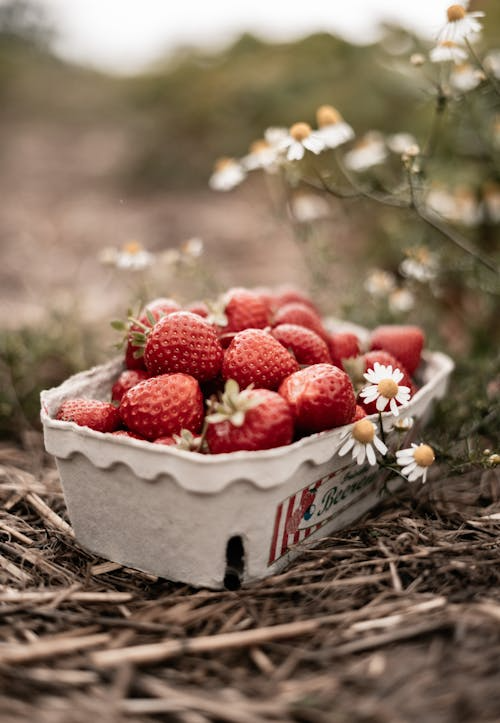
In Central Florida, strawberries begin producing:
December through March
Peak season is usually January and February — which is why the Strawberry Festival happens in late winter.
By April, production slows as temperatures climb.
How Much Sun Do Strawberries Need?
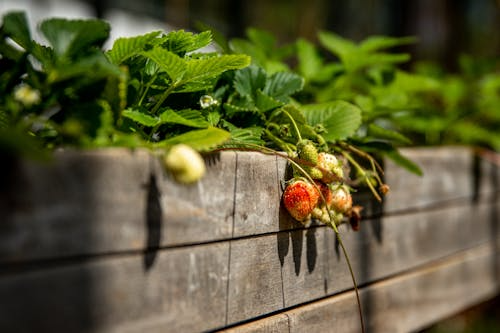
Strawberries need:
6–8 hours of full sun
Morning sun is ideal. Too much late afternoon heat in exposed locations can reduce fruit quality in late season.
If you only have partial sun, expect fewer berries.
What Kind of Soil Works Best?
This is where Florida gardening gets tricky.
Strawberries do not love pure sand. They prefer:
well-drained soil
high organic matter
slightly acidic pH (around 5.5–6.5)
Most home gardeners succeed by planting in:
raised beds
amended garden beds
grow bags or containers
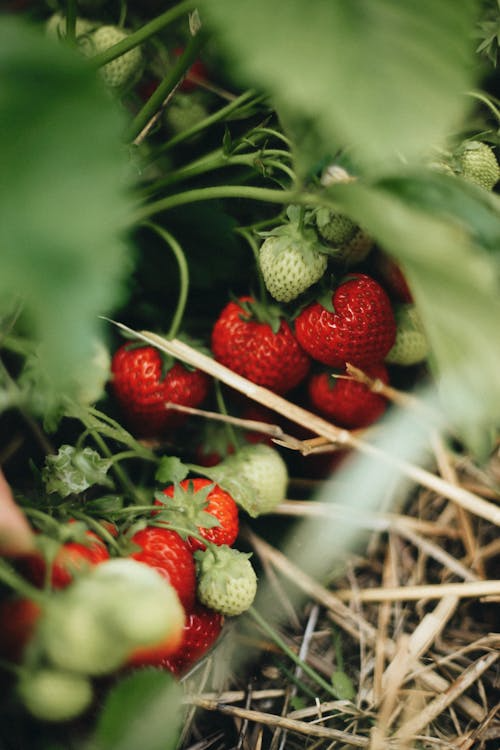
Mulch is critical. Commercial farms use plasticulture (plastic mulch), but in a home garden, pine straw works beautifully.
It keeps berries clean and protects shallow roots from temperature swings.
How Much Water?
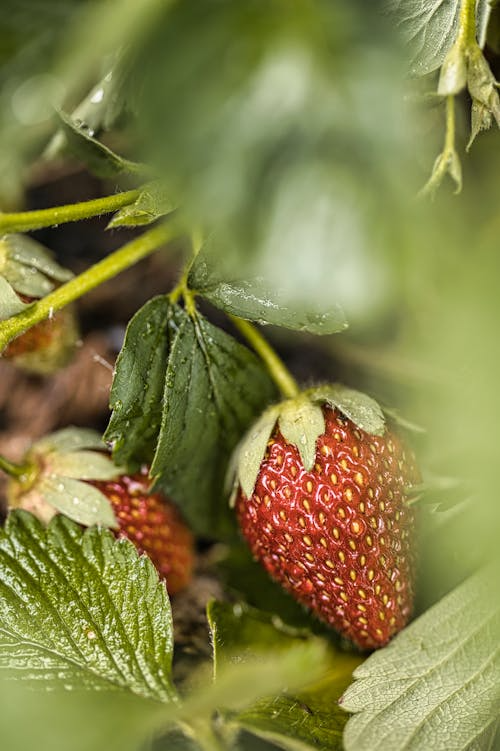
Strawberries need consistent moisture, especially during flowering and fruit development.
During winter:
Water deeply 1–2 times per week
Avoid overhead watering once fruit sets (to prevent rot)
They do not tolerate drought well — shallow roots dry quickly.
In Florida’s sandy soil, this means watering slowly enough for absorption, not just sprinkling the surface.
Common Beginner Mistakes
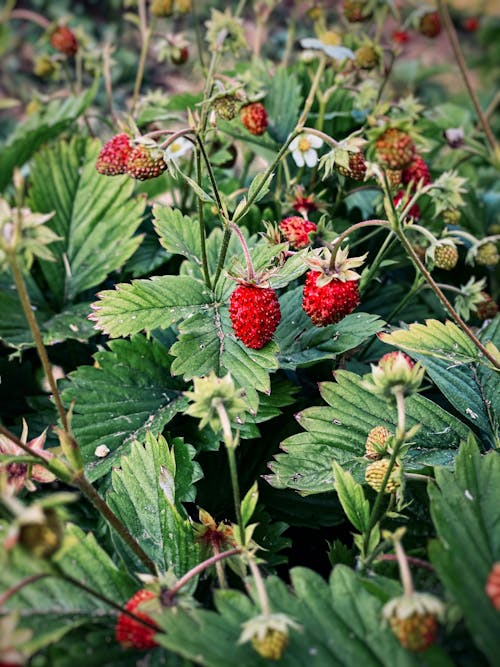
Planting too late (November or later).
Not mulching.
Letting fruit sit on bare soil.
Overfertilizing in warm weather.
Trying to grow them through summer.
Strawberries in Central Florida are treated like an annual. Once heat arrives, most plants decline quickly.
Commercial growers remove and replant every year.
Best Varieties for Central Florida
Look for varieties bred for Florida production, such as:
Festival
Florida Brilliance
Florida Radiance
Buying transplants in fall from a reputable nursery is much easier than starting from seed.
Can You Grow Them in Containers?
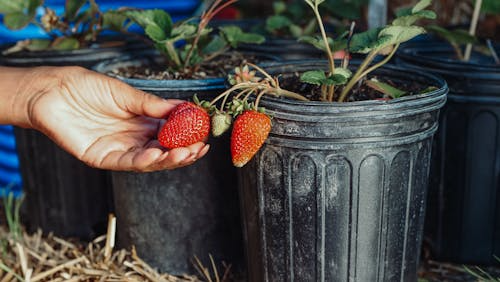
Yes — and many home gardeners prefer this.
Use:
at least a 10–12” deep container
high-quality potting mix
regular feeding during winter production
Container strawberries need more frequent watering than in-ground plants.
The Takeaway
If you’re enjoying strawberry shortcake this week, remember — those berries were planted months ago.
Central Florida strawberry success isn’t about spring planting. It’s about fall timing, winter sun, and consistent moisture.
If you missed planting season this year, make a note on your calendar for late September.
That’s when strawberry season really begins.