Every year in late February, National Invasive Species Awareness Week reminds us of something many Florida gardeners learn the hard way:
Not every plant sold in a nursery belongs in our yard.
National Invasive Species Awareness Week helps gardeners learn which plants spread beyond the yard.
Here in Florida, plants don’t just grow — they escape. Warm winters, heavy rains, sandy soils, and nearby preserves mean a decorative landscape choice can quietly become an ecological problem.
But the goal isn’t guilt. The goal is replacing frustration plants with better ones.
And the easiest place to start is ornamental grasses.
The Common Yard Mistake: Fountain Grass


Fountain grass (Cenchrus setaceus, formerly Pennisetum setaceum) is popular because it looks soft, tidy, and drought tolerant.
Unfortunately it also: reseeds aggressively, spreads into natural areas, crowds out native wildflowers, and increases wildfire fuel loads.
It often escapes from yards into roadsides and preserves — especially near coastal and rural communities.
So what should you plant instead?
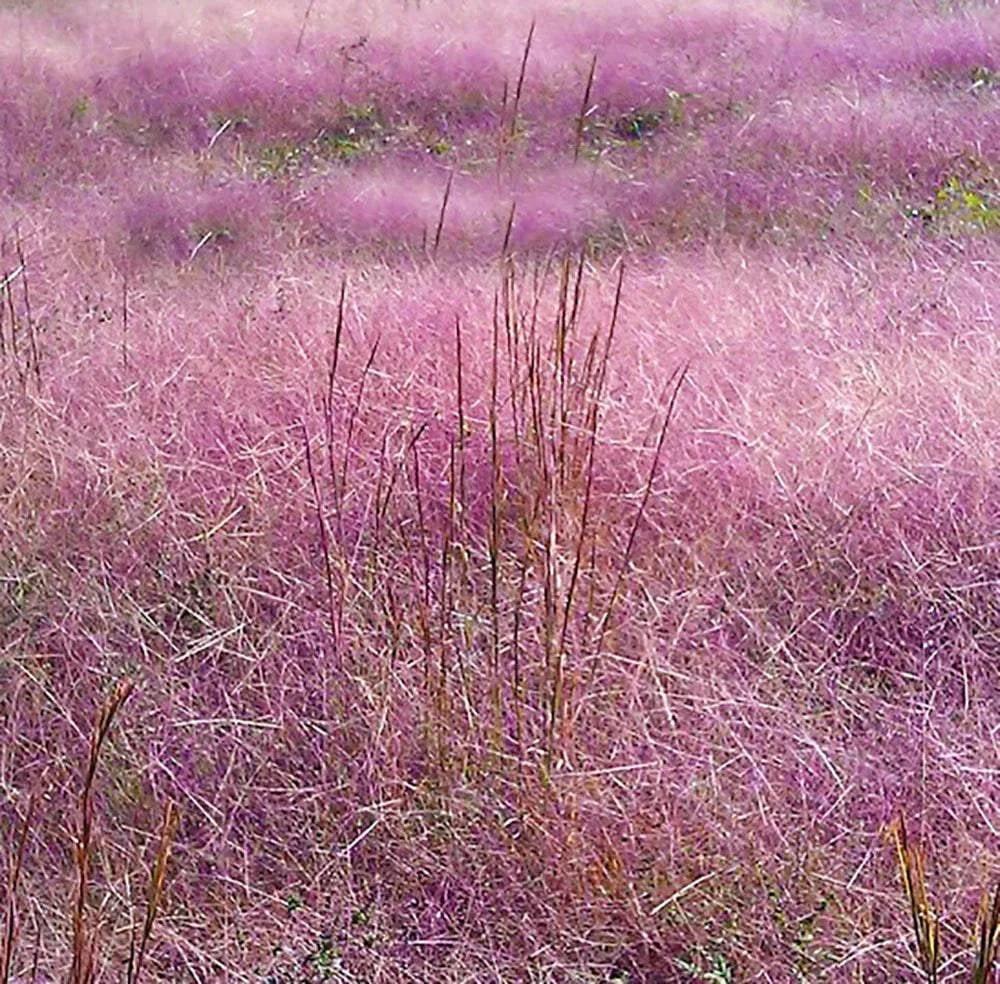
Native Swap #1: Muhly Grass


Muhlenbergia capillaris gives you the same soft texture — but even better.
Why gardeners love it: spectacular pink fall bloom clouds, thrives in sand and heat, salt tolerant, zero invasive behavior and supports native insects.
In other words: everything people hoped fountain grass would be.
Native Swap #2: Purple Lovegrass
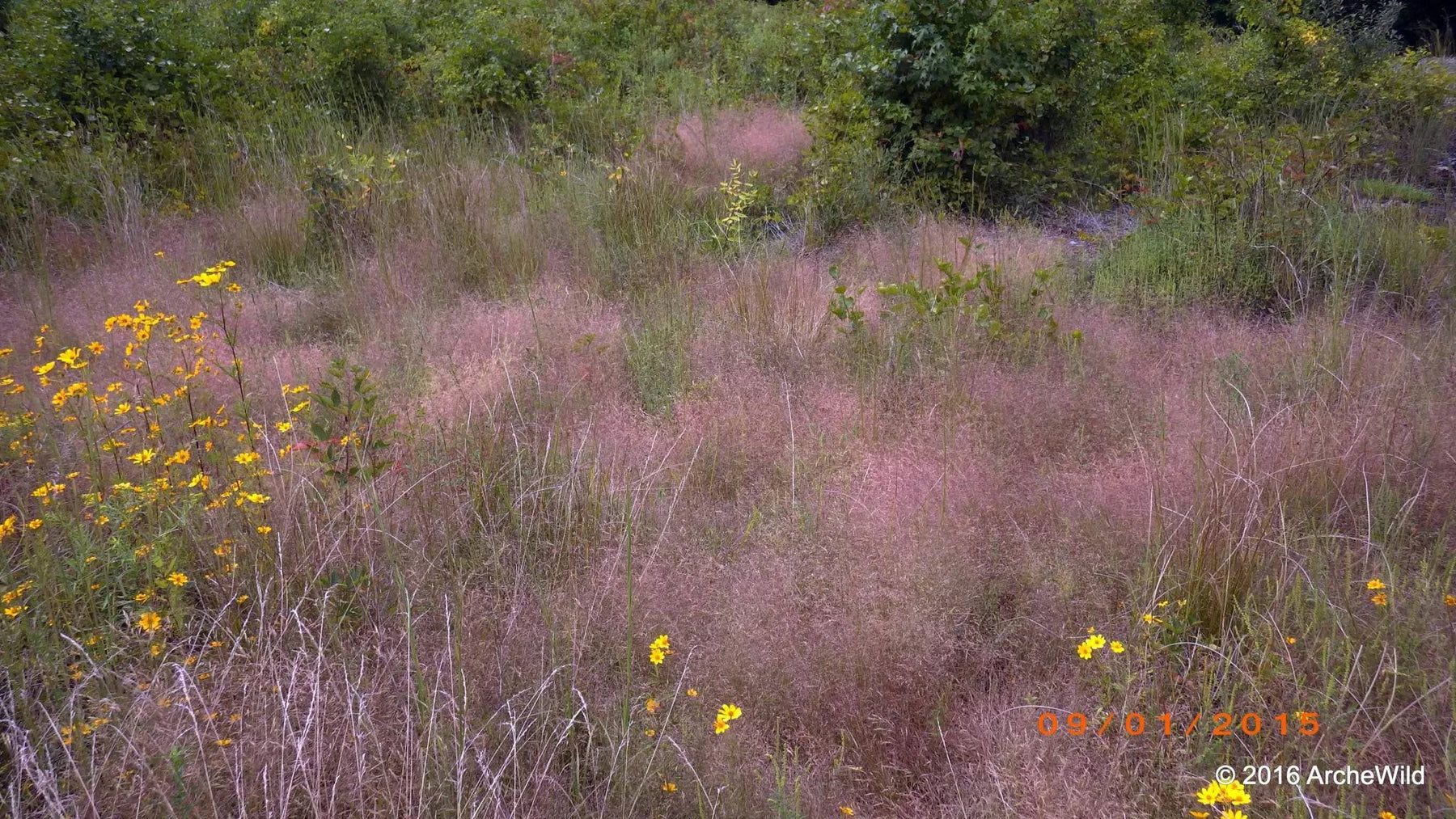

Eragrostis spectabilis is less known but incredibly useful.
It works beautifully for: cottage gardens, pollinator plantings, informal borders and low-maintenance yards.
And unlike fountain grass, it feeds the ecosystem instead of displacing it.
Why This Matters in a Home Garden
In Florida, conservation doesn’t only happen in preserves. It happens yard by yard.
A single invasive plant: spreads seeds into nearby natural areas, forces land managers to spend time and money removing it, and reduces food sources for birds and pollinators.
But a single native planting does the opposite!
A Simple Rule for Florida Landscapes
If a plant spreads easily and nothing eats it, question it.
Native plants participate. Invasive plants dominate.
What You Can Do This Week
You don’t have to redo your whole yard.
Start with one step:
-
Skip buying fountain grass this spring
-
Replace existing clumps when convenient
-
Add one native grass to a bed or border
-
Observe what visits it
That’s how ecological gardening actually works — gradual change, not overnight perfection.
The Takeaway
National Invasive Species Awareness Week isn’t about removing beauty from landscapes.
It’s about discovering that Florida already has plants perfectly designed for our climate — and often more beautiful than the imports.
Sometimes the best garden upgrade isn’t fertilizer, irrigation, or pesticides.
It’s simply the right plant.