Aloe vera is one of those plants most of us think we already know. It’s the sunburn soother, the digestive ally, the hardy houseplant that keeps giving. But Aloe is chemically complex, and researchers are still uncovering new ways its natural compounds interact with the body.
A recently published computer-based research study looked at several compounds found in Aloe vera leaves and how they interact with two enzymes involved in memory and cognition: acetylcholinesterase (AChE) and butyrylcholinesterase (BChE). These enzymes break down acetylcholine, a neurotransmitter that plays an important role in learning and recall and is often reduced in Alzheimer’s disease.
Using molecular modeling and long-duration simulations, the researchers found that *beta-sitosterol, a naturally occurring plant compound found in Aloe (and many other plants), showed strong theoretical binding to both enzymes. In the simulations, beta-sitosterol stayed stable within the enzyme sites over time, making it the most promising candidate among the Aloe compounds studied.
This doesn’t turn Aloe into a memory herb—but it does highlight how familiar plants can contain compounds with wide-ranging biological activity. Studies like this help scientists decide which plant compounds are worth studying further in lab and clinical settings.
An important reminder
This was an in silico (computer-only) study. No humans, no animals, no lab trials. It does not mean Aloe vera, beta-sitosterol, or supplements can prevent or treat Alzheimer’s disease. Think of this as early-stage curiosity—not a recommendation or a remedy. If you’re navigating cognitive concerns, always work with a qualified healthcare professional.
*What Is Beta-Sitosterol?
Beta-sitosterol is a naturally occurring plant sterol—a type of compound structurally similar to cholesterol, but found only in plants.
You’ll find beta-sitosterol in many common herbs and foods, including: aloe vera leaf, saw palmetto berries, pumpkin seeds, sesame seeds, avocado, nuts and legumes, and many leafy greens.
In herbal practice, beta-sitosterol is most often discussed in the context of cardiovascular support, prostate and urinary health, and immune modulation.
It’s not traditionally used as a cognitive herb, which is why this research is interesting—it suggests possible interactions we wouldn’t normally associate with Aloe or plant sterols. That said, traditional use and emerging research don’t always overlap neatly, and careful study is always needed before drawing conclusions.
Growing Aloe Vera in Central Florida

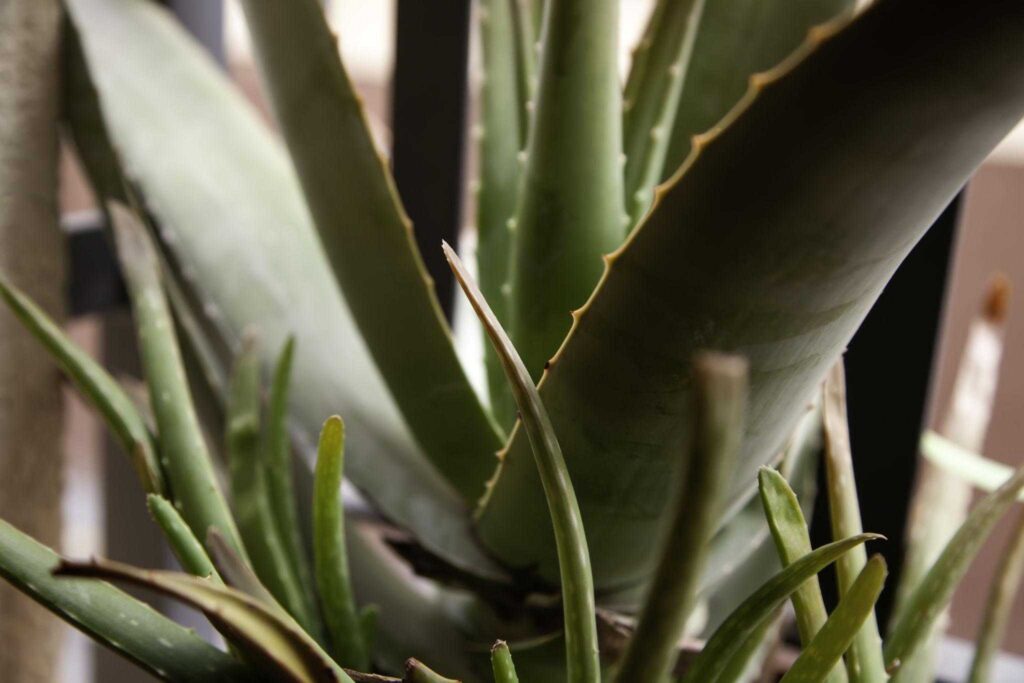
Aloe vera (Aloe barbadensis Mill.) is one of the easiest and most rewarding medicinal plants to grow at home—especially here in Central Florida. While modern research continues to explore Aloe’s complex chemistry, its place in the home garden remains beautifully simple and practical.
Planting time: Spring through early summer is ideal, but Aloe can be planted any time temperatures stay consistently above 50°F.
Sun & soil: Bright light to partial sun; fast-draining, sandy or cactus-style soil is essential.
Water: Minimal. Overwatering is the most common mistake. Let soil dry fully between waterings.
In-ground or container: Aloe does well in containers, which makes it easy to move indoors during rare freezes.
Cold protection: Bring potted plants inside or protect during frost—Aloe is not freeze tolerant.
Harvesting

Harvest outer, mature leaves as needed rather than cutting the whole plant. Use a clean, sharp knife and allow the yellow latex (aloin-containing sap) to drain off if you’re preparing gel. Fresh leaf gel is best used immediately or stored briefly in the refrigerator.
Herbal Actions (Traditional & Contemporary Use)

In herbal practice, Aloe vera is best known for its topical and supportive actions, including:
Demulcent – soothing to irritated tissues
Vulnerary – supports skin repair and wound healing
Anti-inflammatory – calms redness and irritation
Cooling – especially helpful for burns and sun exposure
Moistening – supports dry or compromised skin
Internally, Aloe preparations have a long history but also require discernment, as the latex portion can be strongly laxative and is not appropriate for casual use.
Bringing It Full Circle
While studies like the one discussed above explore Aloe’s chemistry through advanced modeling, Aloe’s true strength in the home garden lies in its reliability, gentleness, and immediacy. It’s a plant you can grow, harvest, and use thoughtfully—bridging traditional herbal wisdom with modern curiosity.
Sometimes the most powerful plants aren’t the rare or exotic ones—but the ones quietly growing on the porch, waiting to be noticed.